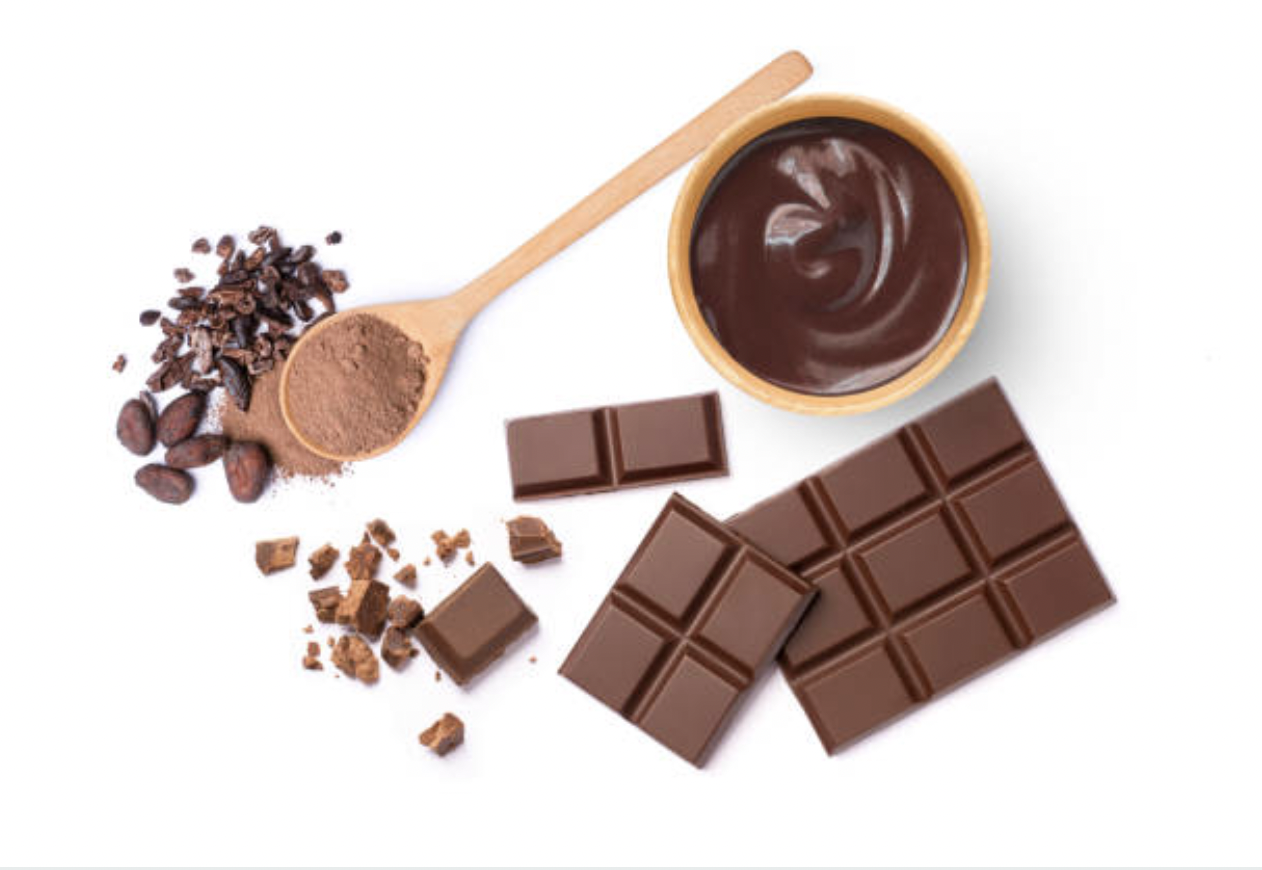
Cocoa nibs are small, edible pieces of crushed, roasted cocoa beans. They play a central role in chocolate making and are valued for their bold, intense cocoa flavor.
Key Facts About Cocoa Nibs
Origin: Cocoa nibs come from cocoa beans, the seeds of the cacao tree (Theobroma cacao). These trees thrive in tropical climates, especially in countries close to the equator.
Processing: The journey to cocoa nibs starts when cocoa beans are harvested from cacao pods. The beans are first fermented to develop flavor, then roasted to deepen aroma and taste. Once roasted, the beans are cracked and winnowed to remove the outer shell, leaving the inner nibs.
Appearance: Nibs are small, uneven pieces ranging in color from dark to deep brown. They have a slightly crunchy texture and vary in size.
Flavor: Cocoa nibs are intensely chocolatey, with a naturally bitter taste and subtle nutty notes. Unlike processed chocolate, they are unsweetened, making them ideal for adding deep cocoa character without added sugar.
Uses:
Chocolate making: Ground into cocoa liquor (cocoa mass), they are the foundation of all chocolate.
Baking: Added to cookies, brownies, muffins, and other baked goods for both flavor and crunch.
Smoothies & granola: Sprinkled on smoothie bowls, yogurt, or granola for a chocolatey bite.
Savory cooking: Used in salads, rubs, and sauces to introduce a surprising cocoa edge.
Snacking: Enjoyed on their own by those who like bold, slightly bitter flavors.
Nutrition: Packed with antioxidants, fiber, and minerals such as magnesium and iron, cocoa nibs are considered a healthier alternative to processed chocolate, which often contains added sugar and fat.
In short: Cocoa nibs are the roasted, crushed heart of the cocoa bean—powerful in flavor, versatile in use, and naturally nutrient-rich.
The Future of Craft Chocolate
The craft chocolate movement has been gaining momentum, driven by small-batch makers who emphasize quality, ethics, and flavor diversity. While conditions keep evolving, several long-term trends are shaping its future:
Sustainability & ethical sourcing: Consumers increasingly care about where their chocolate comes from. Craft makers often build direct relationships with farmers, promoting fair wages and eco-friendly farming. This focus will likely deepen.
Transparency & traceability: From bean origin to production method, openness is central to craft chocolate. Clearer labeling and storytelling will remain key as consumers demand to know more.
Flavor exploration: Different cacao varieties and terroirs yield distinct profiles. Expect ongoing innovation as makers highlight unique regional flavors.
Processing innovation: Artisans continue experimenting with fermentation, roasting, and conching to push flavor complexity further.
Creative collaborations: Partnerships with coffee roasters, brewers, or chefs can bring new and unexpected flavor combinations.
Education & appreciation: Consumers are learning to taste chocolate like wine—recognizing origins, processes, and subtleties. This educational focus helps distinguish craft from mass-market chocolate.
Digital reach: Online sales and global shipping allow small makers to connect with wider audiences, making rare bars more accessible worldwide.
Regulatory shifts: Terms like “bean-to-bar” and “single origin” may face stricter definitions and certifications, ensuring authenticity.
Supply chain challenges: Climate change, pests, and farmer pressures may threaten cacao supply, pushing makers to address resilience and sustainability.
Bottom line: Craft chocolate is evolving at the intersection of ethics, innovation, and taste. Its success will depend on balancing quality and sustainability while continuing to offer consumers unique, transparent, and memorable chocolate experiences.
Modulo per l’Importatore
La preghiamo di compilare i campi sottostanti. Il nostro team La contatterà al più presto.
 Italian
  Arabic